
Consulting · Business turnaround
Business turnaround consulting for owner-managed companies
Capital is tight, the market has moved, and the operation is not keeping up. Those three pressures rarely arrive one at a time. We assess the business in two weeks, agree what has to change, and stay to execute it.
The problem
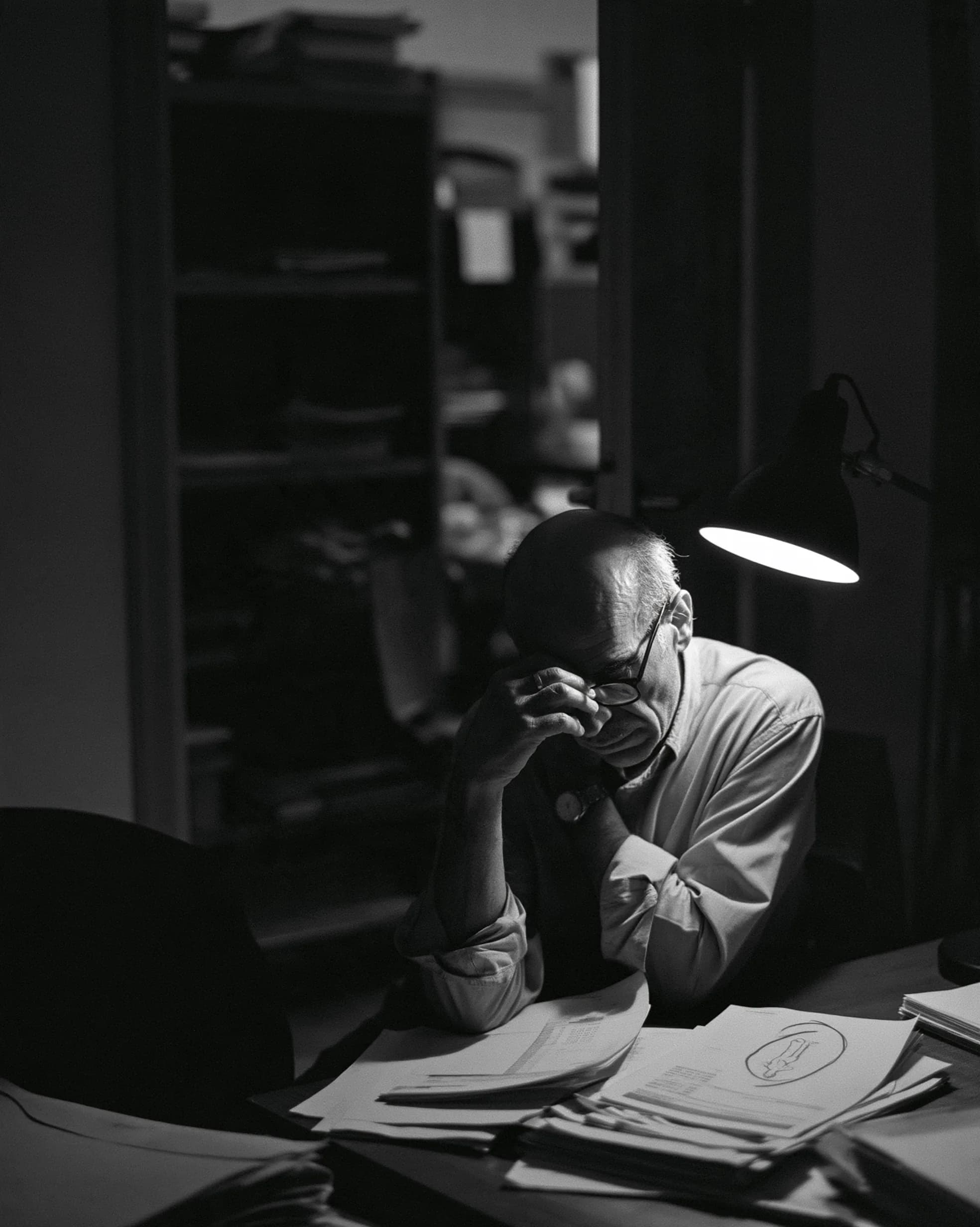
Most owners ask for help after the problem is out of their hands
Capital constraints, external market pressure and internal operational problems compound. Together they produce financial and operational strangulation — a business that is still trading, still busy, and no longer able to grow or, eventually, to continue.
Larger companies buy outside advice as a matter of course; they can afford it and they know what their own people cannot do. Owner-managed companies face the same problems and seldom seek professional managerial advice until the situation is beyond their control. By then the options are fewer, slower and more expensive than they were two quarters earlier.
REGAL 3 Consulting works with companies turning over US$10M–$500M, averaging US$50M. 70% of our consulting work is turn-around; the remaining 30% is growth.
The assessment
We are not the consultants who spend months on this
- two weeksto complete a full business assessment
- four hoursthe most it takes of owner and management time
- >0%accuracy of the Analysis Report
Typical consultants spend months assessing an operation, consume the time of the people running it, and hand back recommendations that are difficult to execute and harder to fund. Our assessment process was not built for clients. It was built over 20+ years for our own acquisitions, where reading a business wrongly cost us our own money.
The Analysis Report is an objective snapshot of the business as it stands — risk, organizational, financial and operational. It is what gets fixed before anyone writes a plan.
The method
Three steps, in this order
- 01AssessEfficient business assessmentRisk, organizational, financial and operational analysis, completed in two weeks. You get the Analysis Report either way.
- 02PlanStrategic planningA 3-day strategic planning workshop sets the long-term objectives, followed by detailed business planning against the short-term goals.
- 03ExecuteExecution of plansWe use the resources already in the business, or acquire them, and re-engineer processes, people or finances where the plan requires it.
What we do
What the work actually consists of
Most engagements draw on all three groups. Few need everything in each.
Business analysis
- Risk analysis
- Organizational analysis
- Financial analysis
- Operational analysis
Strategy and planning
- Strategic planning workshops
- Business planning
- Market research
- Financial modelling
Execution of plans
- Mentoring and coaching
- Interim management, typically COO or CFO
- Project management
- Business funding
The difference
What makes the difference
Our edge is accountability, not opinion. Where an engagement needs it, we place an interim manager inside the business — for a fixed term or for as long as the plan runs — so that the plan we wrote is the plan that gets implemented. We take ownership of our own advice rather than leaving it on a desk.
Making sense of the numbers, not just accounting
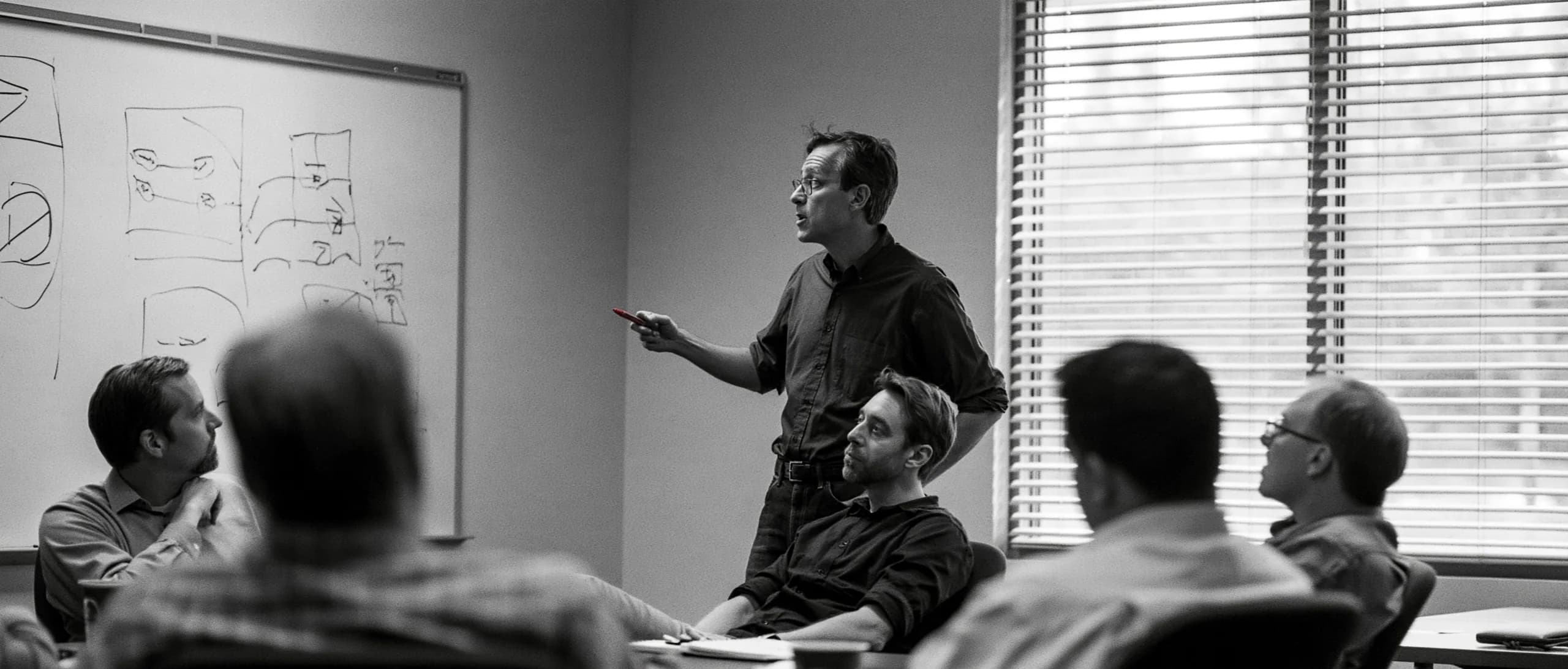
Accounting records what already happened. It is useful, and it is about as predictive as last week’s weather. We model what alternative strategies would do to cash, margin and debt service, so the decision in front of you is made against a number rather than an instinct.
What comes next
Where a turnaround goes next
Some engagements need a qualified operator in the chair rather than an adviser in the room — that is interim management. Some need a product or a market proven before anyone funds it — that is innovation validation. And some owners find, two years into a recovered business, that what they now want is to sell it well. That is the capital advisory side of the firm, and a sale run from strength is a different transaction entirely from one run from distress.
Questions